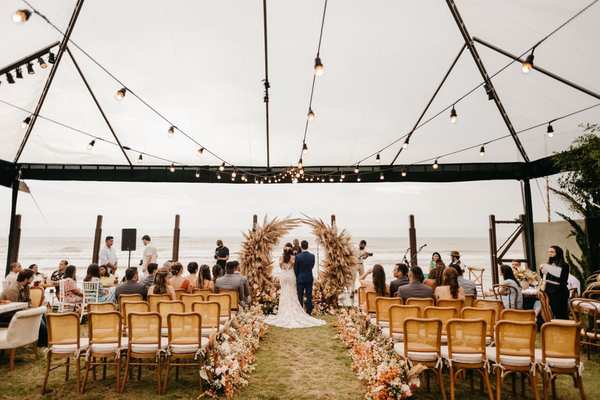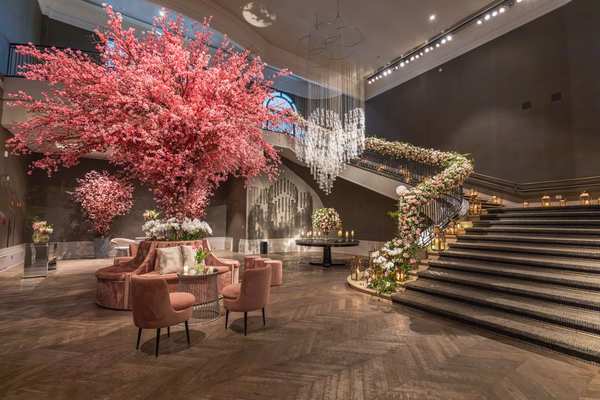
A hotel wedding venue can simplify a surprisingly complicated decision. Instead of finding separate spaces for the ceremony, meal, evening celebration and overnight guests, you may be able to arrange everything under one roof. That convenience makes hotel wedding venues in the UK appealing when relatives are travelling or the weather is unpredictable.
But convenience is not the same as value. A beautiful ballroom can come with restricted suppliers, a minimum spend or an ordinary hotel operating around your celebration. Compare how the entire day works, not just how the ceremony room looks in photographs.
Where hotel wedding venues have an advantage
Fewer journeys and easier transitions
Holding the ceremony, drinks reception, wedding breakfast and evening party in one location reduces transport planning. Guests are less likely to get lost, and the schedule has breathing room. This is especially helpful for elderly relatives, families with children and guests needing accessible facilities. Ask whether the hotel changes the same room between events; a quick turnaround on paper may still leave people waiting.
Wedding accommodation on site
Bedrooms make a hotel wedding venue attractive for guests travelling across the country. People can freshen up and avoid late-night taxis. Some hotels provide a preparation suite or dedicated room for the couple. Confirm how many rooms are available for your date, not simply the hotel’s total bedroom count.
An experienced events team
Many hotels have established catering operations, furniture, bar staff and event coordinators, reducing the number of suppliers you need to organise. However, a hotel coordinator mainly manages the venue’s services; do not assume they replace an independent wedding planner or coordinate every photographer and florist.
The disadvantages worth weighing
Less privacy than an exclusive-use venue
At hotels open to the public, other guests may share entrances, lifts, gardens or bars. Ask which areas are reserved, whether another function is running and where photographs can be taken uninterrupted. An exclusive-use hotel may solve these concerns, but typically has different pricing.
Restrictions on food, music and decoration
Hotels may require in-house catering and limit outside food, confetti, candles, amplified music or decoration installation. If a particular cultural menu or late-night band matters to you, discuss it before paying a deposit. An attractive wedding hotel package is no bargain if your priorities are prohibited.
Packages can hide bigger commitments
Per-person prices rarely tell the whole story. Minimum guest numbers, room hire, drinks, upgrades and accommodation commitments affect the total. Some offers look competitive until you calculate what happens if fewer guests attend or you want an extra reception space.
Compare wedding hotel packages line by line
Request a written, itemised quotation for your intended date and guest numbers. Check what is included in the ceremony set-up, wedding breakfast, evening food, furniture, staffing, drinks and accommodation. Ask whether VAT is included and which extras are optional.
Imagine two hotels offering similar reception prices. Hotel A includes a private drinks room and evening buffet; Hotel B charges separately for both but has cheaper guest bedrooms. Compare the complete cost to you and your guests. A wedding budget checklist can help record extras consistently.
Check payment dates, price-adjustment clauses, minimum spends and guest-number deadlines. Read cancellation terms carefully: deposits are not automatically refundable, and date-specific wedding services generally do not have a standard 14-day change-of-mind right.
Confirm the ceremony arrangements
A hotel ceremony venue is not necessarily authorised for a legal marriage. In England and Wales, civil ceremonies take place at register offices or approved premises. Confirm that the ceremony location is approved and that a registrar is available. An outdoor ceremony at approved premises may be possible under applicable conditions; arrange an indoor backup.
Rules differ across the UK. In Scotland, ceremonies can take place in a wider range of indoor and outdoor locations with an authorised celebrant or registrar. In Northern Ireland, check the relevant registration and venue requirements. A symbolic ceremony differs from a legally recognised marriage, so ask exactly what the hotel provides.
Make a practical plan for guest bedrooms
Ask whether rooms can be reserved in a guest block, what guests will pay, the booking deadline and whether unused rooms create liability for you. Check accessible bedrooms, lifts and step-free routes between the ceremony, dining room and toilets. A room described as accessible may still have an awkward route to the celebration.
Check-in times matter too. Guests arriving on the wedding morning may need somewhere to change before bedrooms are ready. A wedding guest accommodation guide can help organise arrival details, room blocks and nearby alternatives without assuming everyone wants to stay at the hotel.
Tour the venue as a guest would
Walk from the car park or drop-off point to the ceremony space, drinks area, dining room and bedrooms. Look for stairs, confusing signs and exposure to rain. Ask where coats, gifts and pushchairs can be stored, and whether daytime guests pay for parking.
Visit at roughly your planned ceremony time if possible. Natural light and shared areas may feel different from a quiet weekday tour. Use a wedding venue viewing checklist to record the same observations at each property.
Questions to ask before you book
Ask the events manager to identify your exact spaces and confirm whether another wedding could take place that day. Request seated and evening capacities for your preferred layout rather than headline room capacity. Find out who supervises the event, when suppliers can enter and who handles unexpected problems.
Get written answers on catering restrictions, allergy procedures, children’s meals, bar hours, music limits, parking charges and wet-weather plans. Clarify room rates, guest booking arrangements and any commitment to unsold bedrooms. Obtain the complete payment, cancellation and postponement terms before signing.
Frequently asked questions
Are hotel wedding venues cheaper than dedicated wedding venues?
Not automatically. An inclusive package may reduce separate hire and transport costs, but minimum spends, extras and bedrooms can change the picture. Compare itemised quotations for the same guest numbers and services.
Can you legally get married in any UK hotel?
No. Legal arrangements depend on the nation and location. In England and Wales, check premises approval and registrar availability; elsewhere, verify the requirements with the relevant registration service.
Do wedding guests have to stay at the hotel?
Usually not, but contracts may include a room-block or minimum-bedroom commitment. Check whether your agreement creates costs if rooms are not booked.
Is a hotel suitable for a small wedding?
Yes, if it offers appropriately sized private spaces and realistic minimum spends. Ask to see a layout for your numbers; a large ballroom may feel empty with a small party.
Choosing the right hotel for your wedding
Hotel venues work best when straightforward travel, overnight stays and coordinated services match your priorities. Their drawbacks emerge when privacy, flexibility or costs are assumed rather than checked. Shortlist hotels offering a realistic schedule, an itemised price and clear ceremony and accommodation terms. That turns a promising tour into a decision made with confidence.