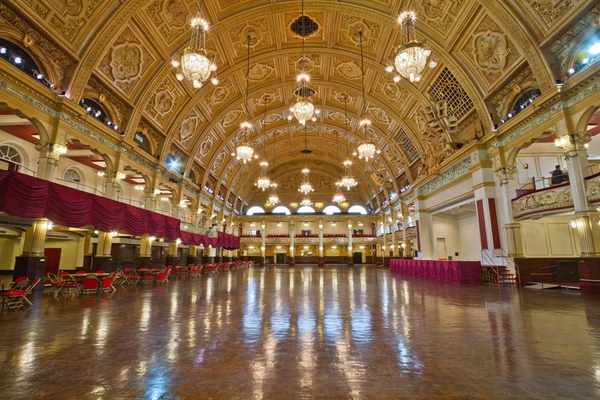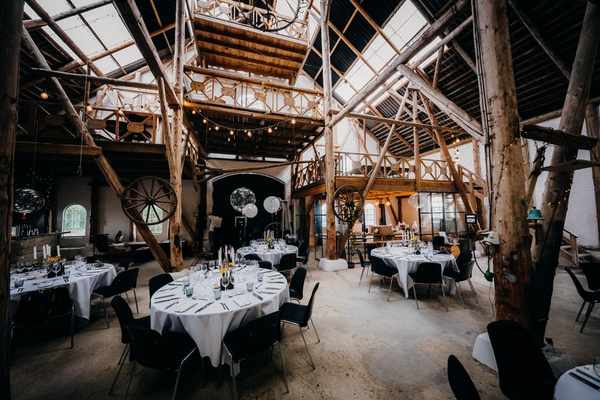
A city-centre wedding promises lively streets, memorable architecture and plenty of places for guests to stay. But the convenience of a central wedding location is not automatic. A venue may be minutes from a railway station yet awkward for a wheelchair user, delivery van or late-night taxi. The strongest city centre wedding venues in the UK combine atmosphere with a guest journey that works from arrival to departure.
Before choosing a converted warehouse, boutique hotel or civic building, look beyond the photographs. Transport, parking, loading access, ceremony arrangements and noise restrictions can shape the whole day.
Start with the guest journey, not the postcode
Map the wedding from a guest’s point of view. Where will people arrive? Is the entrance obvious? Can they move between the ceremony, drinks reception and meal without queuing or navigating unfamiliar staircases? A beautiful urban wedding venue can feel cramped if everyone passes through one narrow lobby.
Ask for a floor plan showing toilets, lifts, cloakrooms and a quiet space. If the ceremony and reception are in different buildings, walk the route yourself and consider rain, traffic crossings and guests with reduced mobility. A practical wedding venue checklist is useful during visits.
Test public transport at the actual times
Being near a station is helpful, but distance tells only half the story. Check which exits have step-free access, how guests reach the entrance and whether the route is well lit. Look for weekend engineering works and local events closer to the date; both can change travel plans.
A walk through a pedestrianised shopping district may be pleasant at midday but difficult in formal clothes during heavy rain. Give guests a specific entrance or side street rather than only a postcode.
Plan the journey home before booking
Compare the reception finish time with the last trains and buses. If services end early, discuss taxi collection points, coaches or overnight accommodation. Guests should not discover at midnight that cars cannot stop outside.
Separate parking, drop-off and accessibility
Many city venues have no dedicated car park. Ask about nearby parking hours, overnight rates, height restrictions and accessible bays. Check walking distances, especially for older relatives or anyone carrying equipment.
Can taxis safely set down passengers? Some streets have bus gates, restricted loading times or pedestrian-only periods. Depending on the city and vehicle, clean air charges or London’s ULEZ rules may apply. Check current rules through official services.
Confirm level access, lift capacity, accessible toilets and a workable alternative if a lift is unavailable.
Find out how suppliers actually get inside
Florists, caterers, photographers and musicians need more than a street address. Establish which door they use, whether vans can stop legally, who holds the keys and how long unloading takes. Ask whether lifts can accommodate large arrangements and furniture.
Imagine a Saturday city centre wedding beside a pedestrianised high street. Deliveries might be allowed only early in the morning, while room access begins at lunchtime. Without a storage arrangement, the florist’s installation timetable could become impossible.
Get loading windows and setup responsibilities confirmed in writing before paying non-refundable supplier deposits.
Confirm the ceremony arrangements
Do not assume that a venue advertising weddings can host the legal ceremony. In England and Wales, civil ceremonies take place at a register office or appropriately approved premises, with a registrar carrying out or attending the ceremony. The venue and registration service must confirm arrangements; rules elsewhere in the UK differ.
Ask which room or outdoor space can be used, whether a registrar is available and how the room changes for the meal. If the legal ceremony is elsewhere, allow time for travel and photographs. Guidance on wedding ceremony venue options can help distinguish a legal ceremony from a celebration.
Check room changeovers and guest flow
City buildings make inventive use of limited space. That creates character but may require one room to serve several purposes. Where will guests wait while chairs are moved and tables laid? Can drinks service continue, and how long does the turnaround take?
Walk the route from ceremony seats to drinks, dinner and dancing. Consider queues at the bar, toilets and lifts. A central wedding location feels effortless when staff plan transitions rather than directing guests through service corridors.
Discuss noise, licences and the finish time
Music policies matter in mixed-use city buildings with flats or hotels nearby. Ask about sound limiters, outdoor music, smoking areas and quiet periods. An advertised closing time does not necessarily mean amplified music or alcohol service continues until then.
Check what the premises licence permits and whether further permissions are needed for your entertainment. Ask how evening departures will be managed without disturbing neighbours. If a late party is essential, clarify the rules before booking.
Make nearby hotels work for guests
One advantage of a city wedding venue is nearby accommodation across different budgets. Compare walking routes, not just map distances; a close-looking hotel may be separated by a busy junction.
Consider whether a room block offers real value. Share two or three accommodation areas and clear travel advice. Guests may appreciate luggage-storage information when the venue has limited space.
Use a timed visit to expose hidden costs
Visit at a similar time and on the same day of the week as your planned wedding. Notice traffic, street noise and how easily you find the entrance. Ask about nearby festivals, football matches and road closures.
Request an itemised quotation covering hire, staffing, security, furniture moves, late finishes, cleaning and supplier access. An affordable urban wedding venue can become expensive once extra hours, porterage or transport are included. A guide to wedding venue costs can help compare quotations fairly.
Frequently asked questions
Are city centre wedding venues in the UK easier for guests to reach?
Often, especially for train travellers, but convenience depends on step-free routes, the timetable and late-night transport. Test journeys at the times guests will travel.
Do city wedding venues usually provide parking?
Some hotels and larger properties do, but many central venues rely on public car parks. Confirm accessible spaces, overnight arrangements, prices and safe drop-off points.
Can we hold both the ceremony and reception in a city venue?
Possibly. Verify legal ceremony arrangements and registrar availability where required, then ask how spaces will be reset. Not every reception venue is approved for civil ceremonies.
Will a city centre wedding have to finish early?
Not necessarily. Finish times depend on licensing, noise conditions and staffing. Ask separately when music, drinks service and guest departures must end.
Choose the venue that makes the day feel easy
The best city centre wedding is not necessarily the one with the most dramatic skyline. It is the one where guests arrive comfortably, suppliers work efficiently and the celebration moves smoothly between spaces. Compare venues using consistent questions, confirm practical answers in writing and give transport as much attention as décor. That is how an exciting city setting becomes a welcoming wedding day.