A wedding venue can look accessible in photographs yet be difficult to navigate on the day. A level entrance offers little comfort if the ceremony is across gravel, dinner is upstairs or the only suitable toilet is locked during the evening reception. When comparing accessible wedding venues in the UK, follow the journey guests will actually take, from arrival to departure.
Accessibility is not a single feature. People have different mobility, sensory and communication needs, and the best questions are specific. Check the answers before paying a deposit.
Follow Every Route Guests Will Use
Ask the coordinator to walk you through the parking area, entrance, ceremony, drinks reception, photograph locations, dining room, dance floor and toilets. Are these connected by a continuous step-free route? If guests need an alternative entrance, is it clearly signed and open throughout the celebration?
Imagine a wheelchair user arriving independently and staying until the final dance. If they must wait for someone to unlock a side door, the venue needs a more reliable arrangement.
Check Doorways, Ramps and Lifts
Look for narrow doors, raised thresholds, heavy doors, steep ramps and unexpected steps. A portable ramp is not automatically suitable; its gradient, stability and safe use matter. If a lift connects your event rooms, check its dimensions, capacity, operating hours and contingency arrangements.
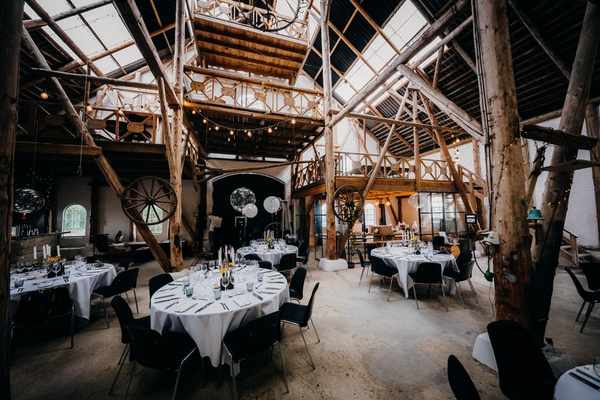
Historic houses and converted barns may have accessible routes, but their published accessibility claims might not cover every booked room. Request photographs or a detailed access guide.
Inspect Parking and Drop-Off Points
Ask how many accessible parking bays exist, whether they can be reserved and how far they are from the entrance. There should be enough space for someone to transfer from a vehicle. A level drop-off point is also helpful for guests who cannot walk far.
For a step free wedding, surfaces matter as much as stairs. Wet grass, loose gravel and uneven cobbles can turn a short route into a difficult journey.
See the Accessible Toilets Yourself
“Accessible toilet” is a description worth checking, not a guarantee. During your viewing, examine the space for wheelchair transfer, grab rails, reachable fittings, sink position and a usable door. Ask whether the facilities are close to the main rooms and remain open throughout the event.
Check that the toilet is not being used as storage. Some guests require a Changing Places toilet with additional equipment and space; a standard accessible WC is not equivalent. Ask about nearby provision if needed.
Make Seating Part of the Accessibility Plan
A wheelchair friendly venue should let guests sit with their friends and family rather than apart from everyone else. Check circulation space between tables, room for mobility aids and suitable seats for guests who cannot stand for extended periods.
For the ceremony, assess aisle widths and sightlines. At dinner, check table height and legroom. Your guest seating plan should also let someone leave quietly without navigating a packed dance floor. A separate calm area may help people who need a break from noise or crowds.
Ask About Hearing and Visual Support
An accessible wedding involves more than ramps. Guests with hearing loss may benefit from a functioning hearing loop, microphones, captions or interpreting support. Ask what equipment exists, where it works and who can test it before the ceremony.
Clear signs, good lighting and visible changes in floor level can assist people with visual impairments. Provide important announcements in writing when helpful, and consider the space and facilities needed for assistance dogs.
Check Accommodation and Transport
If the venue offers bedrooms, request details of accessible rooms rather than relying on a general claim. Confirm the bedroom route, doorway widths, bathroom layout, shower access and furniture arrangement. A room without a usable bathroom might not meet a guest’s needs.
If accessible bedrooms are limited, check availability early and explore nearby alternatives. Transport back from the venue matters too, especially after an evening reception.
Plan for Outdoor Conditions and Emergencies
Outdoor ceremonies introduce extra uncertainty. Grass might be manageable in sunshine but soft after rain. Ask how guests will reach garden seating, where the photographs will happen and whether the indoor wet-weather option is genuinely accessible.
Ask the venue about evacuation arrangements for people unable to use stairs. Staff should have a workable plan that does not assume relatives can lift or carry guests.
Ask Guests What They Actually Need
Offer guests a private, optional way to share access or communication requirements. Avoid making assumptions based on age or appearance. One person may need a short walking route; another may use a larger powered wheelchair or require a clear view of the speaker.
Share only the practical details needed with the venue team. Confirm who will arrange the agreed support and who guests should contact on the day.
Test the Timetable During Your Viewing
Picture a garden ceremony followed by photographs beside a pond and dinner upstairs. The venue advertises a ramp at the main entrance, but the garden path is gravel and the lift is too small for a guest’s wheelchair. Those details could affect the whole schedule.
Walk the day in order during your viewing. With permission, photograph potential obstacles, request measurements where needed and ask about backup arrangements. A practical wedding venue checklist should cover routes, equipment failures and responsibility for agreed adjustments.
Confirm Arrangements Before Signing
In Great Britain, the Equality Act 2010 requires service providers to make reasonable adjustments for disabled people where applicable. What is reasonable depends on the circumstances; not every building will have every facility. Northern Ireland has a different disability discrimination framework.
Ask for written confirmation of the rooms, routes, facilities and agreed solutions, including any logistical costs. A clear answer from the person managing your event is more valuable than an accessibility symbol on a listing.
Frequently Asked Questions
How do I find accessible wedding venues in the UK?
Look for venues with detailed access information or independent guides. Send your shortlist the requirements that matter to your guests, then visit to confirm the facilities and routes in person.
Does step-free access mean a venue is fully wheelchair accessible?
No. Doorways, toilets, surfaces, lifts, seating and emergency procedures can still affect whether a venue works for a particular wheelchair user.
Can a historic wedding venue be accessible?
Yes. Some historic properties have good accessible routes and adapted facilities. Others have limitations. Ask exactly which event spaces guests can use rather than judging by the building’s age.
Should we ask guests about access needs before booking?
Where possible, yes. Invite guests to share requirements privately and voluntarily. You can then compare venues against actual needs rather than general claims.
Choose a Venue Where Everyone Can Take Part
The strongest accessibility assessment follows the guest experience from the car park to the final goodbye. Check routes, toilets, seating, communication support and backup plans, then record arrangements in writing. The right venue lets more of your guests celebrate comfortably and confidently.