A Chinese tea ceremony can be one of the most personal moments of a UK wedding. Away from the larger celebration, the couple offers tea to parents and older relatives, thanks them for their support and receives their blessings. It honours Chinese wedding traditions even when the rest of the day follows a British-style schedule.
The practical questions are simple: who receives tea, in what order, where should everyone sit, and how much time should you allow? The answers depend on family custom, so discuss expectations before making arrangements.
What does the wedding tea ceremony mean?
Often called jing cha, meaning respectfully offering tea, the ritual recognises family relationships. The couple presents cups to elders, who accept the tea and commonly respond with good wishes, red envelopes containing money, or jewellery. The exchange expresses gratitude, welcome and continuity between generations.
It is a cultural family ceremony, not a legal marriage service. In England and Wales, couples must separately meet the requirements for a legally recognised marriage, including arranging a suitable ceremony with a registrar or authorised person. Rules differ elsewhere in the UK.
When should you schedule a Chinese tea ceremony at a UK wedding?
There is no compulsory slot. Some couples hold it at home before travelling to the venue. Others book a private hotel room before the main ceremony or serve tea between the legal service and reception. A separate gathering the previous day can help relatives travelling from overseas.
Allow roughly 20–40 minutes for a small gathering, and longer for larger families, photographs and cup refills. Count the recipients rather than relying on a fixed duration. Avoid placing the ritual immediately before a registrar appointment or a tightly scheduled entrance.
A realistic wedding-morning example
Imagine a couple marrying at a country-house venue in Surrey at 2 pm. They reserve a quiet ground-floor room from 11 am, begin serving tea at 11.15 am and finish around noon. That leaves time for family photographs, a clothing change and lunch. Their coordinator confirms wheelchair access, keeps hot water away from seating and briefs the photographer.
Who is served first?
Parents, grandparents and other senior relatives are the usual recipients. Many families work from the eldest generation downwards; others serve parents first. Some traditionally begin with the groom’s family, but couples may start with either side or hold separate sessions. Ask key elders what they expect before deciding.
Prepare a running order with each person’s name, relationship and preferred form of address. It might cover grandparents, parents, aunts and uncles, then older siblings where customary. Do not assume every older cousin participates. Clarifying the list early prevents awkward omissions.
Usually both partners serve each recipient. The sequence can accommodate blended families, same-sex marriages, absent relatives or elders unable to attend. Respectful inclusion matters more than a rigid formula.
Tea ceremony etiquette: what actually happens?
Offering and receiving tea
Elders normally sit while the couple approaches with small cups of tea. Each cup is offered with both hands, often accompanied by the appropriate family title and an invitation to drink. The elder takes a sip, offers a blessing and may present a gift. A helper collects cups before the next person sits down.
Kneeling is customary in some families, particularly when serving parents or grandparents. Others prefer a bow or standing presentation. Ask rather than assume: the couple or guests may have mobility needs. A respectful standing ceremony can be entirely appropriate.
Red envelopes, jewellery and blessings
Red envelopes, called hongbao or lai see depending on language and community, traditionally contain a monetary gift. Gold jewellery may also be given. Neither gift nor amount should become a public performance. Arrange for someone to look after envelopes and valuables, and let elders offer blessings in their preferred language.
If one partner does not speak Chinese, rehearse the relevant names and greetings beforehand. A bilingual relative can introduce the ritual for guests unfamiliar with Chinese wedding traditions without turning the exchange into a lecture.
What should you prepare?
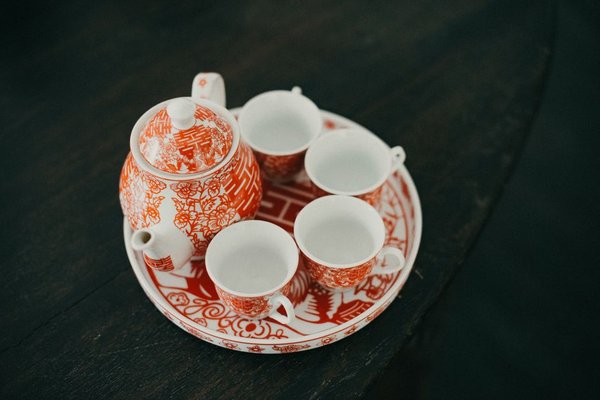
A teapot, several small cups, a tray, freshly prepared tea and a helper are the essentials. A red-and-gold set or double-happiness decoration is lovely but optional. Choose sturdy cups and keep spares nearby.
Jasmine, oolong and lightly sweetened teas are possibilities; some families favour sweet tea with red dates or longan. Check preferences and allergies first. Serve tea warm enough to enjoy but not dangerously hot, especially when older relatives handle the cups.
Place two chairs in good light, with space for the couple and photographer. Keep a side table for refilling and clearing cups. Provide cushions if kneeling is planned. If standing, ensure the presentation is comfortable for seated elders.
Blending the ritual into a modern UK celebration
One family may want traditional clothing and a private gathering; another may prefer the tea ceremony within the reception. Both can work. Agree which elements matter, communicate the plan to the venue and avoid treating the ritual as merely a photo opportunity.
For related planning, explore a wedding day timeline, cultural wedding ceremony ideas and a family wedding photography checklist. These topics are useful when coordinating the ritual with the rest of the celebration.
Give your venue a short brief: room access time, chairs, tea preparation, who coordinates relatives and when the space must be cleared. If external hot-water equipment is prohibited, ask catering staff to prepare and replenish the tea.
Frequently asked questions
Is a Chinese tea ceremony compulsory at a UK wedding?
No. It is a valued family tradition, not a UK legal requirement. Whether to include it, and how formally, is for the couple and their families to decide.
Do both families need to attend together?
No. You can serve both families at one venue or arrange separate gatherings. Choose the format that suits travel plans and family customs.
Can we hold the tea ceremony after the legal wedding?
Yes. Couples schedule it before the wedding, later the same day or on another date. Make sure important relatives can attend without being rushed.
What if someone cannot kneel or sit for long?
Adapt the posture, seating and duration. Offering tea respectfully carries the meaning; physical discomfort should not be part of the celebration.
Making the moment your own
A meaningful Chinese tea ceremony for a UK wedding does not require elaborate decorations or a flawless script. It needs a clear serving order, a comfortable setting and an understanding of what the exchange means to your families. Ask about traditions early, allow breathing room and give each blessing the attention it deserves.