A civil wedding can feel wonderfully simple, but there is a definite order behind the ceremony. If you are wondering when the legal vows happen, whether you must exchange rings or what everyone signs, understanding the civil wedding ceremony structure makes the day easier to picture.
The usual civil ceremony order
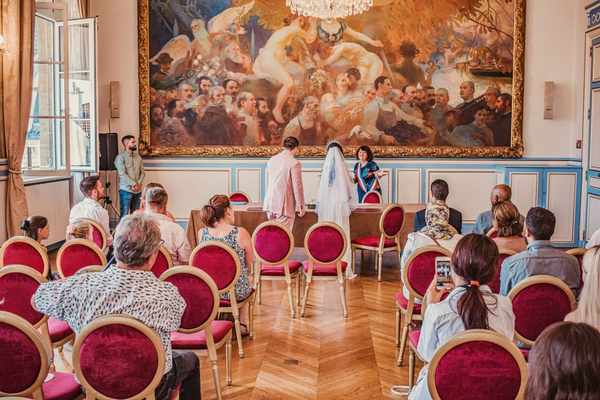
There is no single script used by every register office, but most ceremonies follow a recognisable sequence: guests sit down, the couple enters, the registrar welcomes everyone, the couple makes their legal statements, any personal vows and rings are exchanged, the marriage schedule is signed and the registrar closes the ceremony.
Optional readings and music can fit around these moments if the registrar approves them. A short register office wedding ceremony may have fewer extras than a personalised service, but the legal foundation remains the same.
Before the ceremony: checks and seating
Before the ceremony, registration staff may speak privately with each partner to check names, details and freedom to marry. It is a routine procedure, not an examination. Follow the register office’s arrival instructions rather than assuming everyone should arrive at the advertised start time.
Have your witnesses ready too. At least two are required in England and Wales, and they must be able to understand what is taking place. They will sign the marriage schedule with you.
Entrance and welcome
There may be music as guests settle and the couple enters, or everyone may simply be invited in together. A traditional aisle entrance is optional: you can enter separately or side by side.
The registrar welcomes those present, explains the significance of the occasion and leads the ceremony towards the required legal wording. If you want a short reading near the beginning, ask whether it can follow this introduction.
The legal words you must say
Declaration of freedom to marry
For a legal wedding ceremony in England and Wales, each person must make an approved declaration confirming that there is no lawful reason they cannot marry. Registrars offer permitted wording options, including a brief question-and-answer format. You will normally be prompted through the words rather than expected to recite them from memory.
Contracting words
Each partner must also speak the required words accepting the other as their spouse. These differ from personal promises you write yourselves. The registrar will explain which approved choices are available and ensure the words are spoken in front of the witnesses.
These two moments are the legal core of the civil ceremony order. A poem, ring exchange or heartfelt personal promise cannot replace them.
Personal vows and rings
Many couples add their own promises after the legal wording. They could be about supporting one another through difficult days or maintaining a favourite shared tradition. Personal vows are optional and must be suitable for a non-religious ceremony, with the wording agreed beforehand.
Rings are optional too. If you exchange them, the registrar may introduce the moment and invite a short promise. You can exchange one ring, two rings or none without affecting the marriage’s legal validity.
For example, place a short reading before the legal vows, exchange rings immediately afterwards and say one personal promise each during the ring exchange. That gives the ceremony a clear emotional progression without making it overly complicated.
Signing the marriage schedule
You may hear people refer to ‘signing the register’, but that is outdated for marriages in England and Wales. Since changes introduced in 2021, couples sign a marriage schedule at the ceremony rather than writing their details in a traditional marriage register book.
You, your witnesses and the relevant registration officials sign the schedule. It is then returned for the marriage to be recorded electronically. A marriage certificate is obtained after registration, so do not assume you will receive one during the ceremony.
Photography rules vary. Check whether pictures are permitted while signing and whether there is time for a posed photograph afterwards.
Closing words and exit
After signing, the registrar usually congratulates the couple and brings the ceremony to a close. You might leave to music, pause for photographs or greet your guests. There is no obligation to plan an elaborate exit.
Where readings and music fit
Non-religious readings, poems and music can personalise your ceremony. They are not compulsory and should be approved in advance. In England and Wales, civil ceremonies must not include religious content, such as hymns or religious readings.
One thoughtful reading often has more impact than several long pieces. Ask whether music can play during the entrance, signing or exit; the shortest statutory ceremonies may offer limited options.
An actionable tip is to prepare a one-page running order naming the entrance music, legal vows, reading, rings, schedule signing and exit. Guides to wedding ceremony readings and writing personal wedding vows can help you plan these optional moments.
How long does a civil wedding ceremony take?
A simple ceremony may take around 10 to 20 minutes, while added readings, music or vows can extend it. Duration varies by registration service and the ceremony you book. Confirm the expected length with your registrar rather than relying on a universal timetable.
Remember that arrival checks, seating and photographs take additional time. For practical scheduling, consult a wedding morning timeline as well as the ceremony running order.
Do the rules differ across the UK?
Yes. This outline mainly describes England and Wales. In Scotland, marriage ceremonies require declarations by the couple and celebrant, but there are no prescribed marriage-vow words; two witnesses are still necessary. Northern Ireland also uses a marriage schedule and has its own marriage notice and registration procedures.
For either nation, ask your local registrar for the precise legal wording, signing process and permitted personal touches. A general UK guide should never override local instructions.
Frequently asked questions
Can we change the order of a civil wedding ceremony?
You can often rearrange optional readings, music, personal promises and rings. The registrar controls where the legal wording and signing fit, so agree the sequence beforehand.
Do we have to exchange rings at a register office wedding?
No. Rings are symbolic, not legally required. The essential legal statements and signing arrangements matter, not the presence of jewellery.
Can a relative lead our civil wedding ceremony?
A relative may be able to give an approved reading, but cannot replace the registrar responsible for a civil marriage in England and Wales. Discuss any speaking roles with the registration service.
When will we receive our marriage certificate?
In England and Wales, the signed schedule must be recorded before a certificate can be issued. Ask the register office about ordering and processing times.
Bringing everything together
The easiest way to plan your civil wedding ceremony structure is to separate legal essentials from personal touches. Once you know where the declarations, contracting words and schedule signing belong, the rest becomes easier to arrange. Agree the order with your registrar, rehearse only what helps and leave room to enjoy the moment.