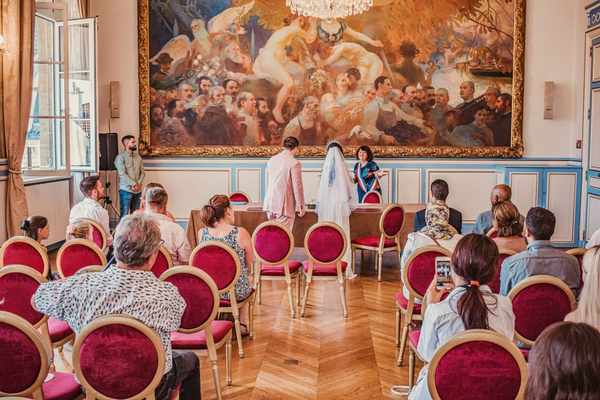
The first words at a wedding do more than announce that the ceremony has begun. They help guests settle, introduce the feeling of the day, and give everyone a reason to be fully present. Wedding ceremony welcome wording can sound elegant, funny, tender, or simple. The best opening sounds like the couple, not like a script borrowed from someone else.
Whether a celebrant, officiant, friend, or family member is speaking, a welcome works best when it is brief, easy to say aloud, and followed by a clear transition into the ceremony.
What should a wedding ceremony welcome include?
Most effective ceremony opening words do three things: greet the people gathered, name the importance of the moment, and gently introduce what comes next. A thank-you to guests who have travelled can be lovely, but a long roll call is rarely necessary. The welcome is an invitation into the ceremony, not a complete wedding welcome speech.
Before choosing your words, decide whether the atmosphere should feel solemn, joyful, conversational, or quietly emotional. Read the opening aloud beside the processional music. After an energetic entrance, a light, smiling welcome may feel natural; after a reflective entrance, a calmer sentence gives everyone room to settle.
Ready-to-use wedding ceremony welcome wording
These examples are starting points. Replace “this couple” with names, remove phrases that do not suit your relationship, and ask the person speaking to adapt the rhythm to their own voice.
Warm and heartfelt opening
“Welcome, everyone. We are so glad you are here to share this moment with Maya and Alex. Each of you has been part of their story in some way, and your presence makes today even more meaningful. We are gathered not just to witness their promises, but to surround them with encouragement as they begin this next chapter together.”
Formal and traditional opening
“Dear family and friends, we are gathered here today to celebrate the marriage of Maya and Alex. In the presence of those who care for them, they will make promises of love, respect, and commitment. Thank you for joining them to witness this meaningful occasion.”
Relaxed and cheerful opening
“Hello, everyone, and welcome! What a joy to see so many familiar faces together for Maya and Alex. They have been looking forward to sharing this day with you, and now the moment is finally here. Get comfortable, take it all in, and enjoy being part of something special.”
Short and intimate opening
“Welcome to this small and very special gathering. Maya and Alex have chosen to share their promises with the people closest to them. Thank you for being here, for loving them, and for helping make this moment their own.”
Family-centred and inclusive opening
“Today we celebrate Maya and Alex and the life they are building together. We also recognise the families, friendships, and experiences that have brought them to this moment. Some of those bonds began long ago; others are still growing. Each deserves a place in the joy we share today.”
For a blended family, mention children by name only with their agreement. Avoid suggesting that marriage automatically creates one particular family structure or that every guest shares the same beliefs about marriage.
How to introduce an unplugged ceremony
If the couple wants guests to put away phones, say so near the beginning, before readings or vows begin. Effective unplugged ceremony wording sounds welcoming rather than scolding. It should also explain whether an official photographer will be documenting the occasion.
Try: “Before we begin, Maya and Alex invite you to enjoy this ceremony without phones or cameras. Their photographer will capture the moments, so you can relax, be present, and see it all with your own eyes. Please silence and put away your devices until the ceremony has ended. Thank you.”
If guests have already taken their seats, this reminder can come immediately before the processional instead. For accessibility or other practical needs, avoid assuming everyone can follow the request in exactly the same way.
Make the wording sound like your relationship
One specific detail often makes a welcome more memorable than several lines of grand language. The officiant might mention that the couple loves hosting Sunday dinners, or that they chose this place because it is where their families first met. Keep the detail short and confirm that both partners are comfortable sharing it.
Imagine a ceremony beside a lake where the couple walks every weekend. Rather than delivering a long story, the officiant could say, “This place has been part of their ordinary days together, which makes it a fitting place for an extraordinary promise.” That single line connects the setting to the occasion.
If you are still assembling the rest of the script, consider how the opening connects with choosing wedding ceremony readings, writing personal wedding vows, and planning the order of a wedding ceremony. Each element should feel part of the same conversation.
Help the officiant deliver the welcome naturally
Give the speaker a printable copy with names spelled phonetically if necessary. Mark pauses after the greeting and before the next section. An opening of roughly one minute is often enough; longer may work when there is a meaningful family acknowledgement or a required religious introduction.
Plan for the room as well as the words. At an outdoor wedding, wait until the processional music stops and guests finish turning towards the front. With a microphone, speak a little more slowly than in everyday conversation. Rehearse the opening once at normal volume rather than whispering through it.
Transition smoothly into the ceremony
A welcome should land somewhere. If a reading follows, the officiant might say, “To begin, we will hear words chosen by Maya and Alex.” If vows come next, try, “With everyone they love around them, they are ready to make their promises.” A clear transition helps the ceremony feel intentional rather than like disconnected speeches.
Frequently asked questions
Who usually says the welcome at a wedding ceremony?
The officiant or celebrant normally welcomes the guests, although a couple may ask a friend or relative to do it. Check with the officiant first, especially for religious or legally regulated ceremonies.
How long should the wedding ceremony welcome be?
A concise welcome often takes about 30 to 90 seconds when spoken calmly. It can be longer if the ceremony includes a meaningful acknowledgement, but avoid repeating material reserved for the reception speeches.
Should the couple thank guests during the opening?
A simple thank-you is enough. More detailed appreciation can be saved for the reception, where there is time to recognise individual people without interrupting the ceremony’s momentum.
Can we combine formal wording with an unplugged reminder?
Yes. Keep the formal greeting first, then introduce the phone request in one courteous paragraph. The reminder should sound like part of the same ceremony rather than an abrupt announcement.
A welcome that feels like you
The most memorable opening is not necessarily the most poetic. It is the one that makes the people gathered feel they belong and helps the couple enter their promises with confidence. Choose words that fit the setting, speak them aloud before the day, and leave enough space for the moment itself to do some of the talking.