A groom’s tie can change the mood of an entire outfit. Put a straight necktie with a navy suit and the result feels polished and familiar. Swap it for a bow tie and the same suit suddenly looks more celebratory. That is why the groom tie vs bow tie decision is about more than which accessory looks better on its own.
The best starting points are your dress code, the jacket you plan to wear and the atmosphere of the wedding. Once those are settled, color and personal preference can help you make a choice that feels intentional rather than borrowed from a wedding mood board.
The Short Answer: Which Should a Groom Choose?
Choose a black bow tie with a traditional black-tie tuxedo. Choose a necktie when wearing a suit for a formal, cocktail or semi-formal wedding, especially if you want an understated look. A bow tie can also work with a regular suit when the celebration has a playful, vintage or deliberately dressy feel.
Start With the Wedding Dress Code
Black tie calls for a bow tie
For a conventional black-tie wedding, a tuxedo, formal white shirt and black bow tie are the established combination. The black tie bow tie is not simply a black-colored accessory; it is part of an eveningwear tradition. A long black necktie with a tuxedo appears in modern styling, but departs from that traditional standard.
If your invitation asks guests to wear black tie, dressing the groom in the classic combination creates consistent formality. For black-tie optional, a tuxedo and bow tie remain an excellent groom’s choice, while guests may wear dark suits and neckties.
Formal and cocktail weddings leave room for either
A charcoal, navy or dark green suit works naturally with a groom necktie. It creates a vertical line that complements a tailored jacket. But a smart bow tie can give that suit a more distinctive wedding identity, particularly when the ceremony is dressy without following strict eveningwear rules.
Consider the Jacket Before the Neckwear
Tuxedos and regular suits are not interchangeable. A tuxedo usually has formal details such as satin-faced lapels, while a suit is made for broader use. If you have not chosen yours yet, start with a groom suit versus tuxedo comparison before buying accessories.
With a sharp two-piece suit, a medium-width necktie is an easy match. A three-piece suit can support either choice: the vest adds structure beneath a bow tie, while a necktie keeps the ensemble classic. With a double-breasted jacket, understated neckwear usually prevents the front of the outfit from looking too busy.
A classic point or spread collar frames a necktie well, and many standard collars also accommodate bow ties. A wing collar belongs more naturally with formal eveningwear. Try the combination on rather than assuming every shirt collar and knot will sit neatly together.
Let the Venue and Time Set the Mood
Picture two weddings. The first is an evening reception in a grand hotel, with dark tailoring, candlelight and a formal dinner. The second is an afternoon garden ceremony followed by a relaxed meal outdoors. The neckwear that looks effortless at one may feel theatrical at the other.
A silk bow tie makes particular sense for the hotel event, especially with a tuxedo. For the garden wedding, a muted necktie with a lightweight suit often feels more at home. Yet venue alone never dictates the rules: an outdoor black-tie wedding still suits a proper bow tie.
Compare Color, Fabric and Proportion
Wedding tie styles are as much about finish as shape. Smooth silk communicates polish and works with formal tailoring. Matte silk, wool blends or subtle texture can soften a suit for daytime wear. Excessive sheen, however, can distract from an otherwise well-fitted jacket.
Necktie width should relate to lapel width and your proportions. Very skinny ties can look out of balance with broad lapels, while oversized ties overwhelm narrow frames. A bow tie should also be scaled to your face and collar; an enormous bow is not necessary to make the groom stand out.
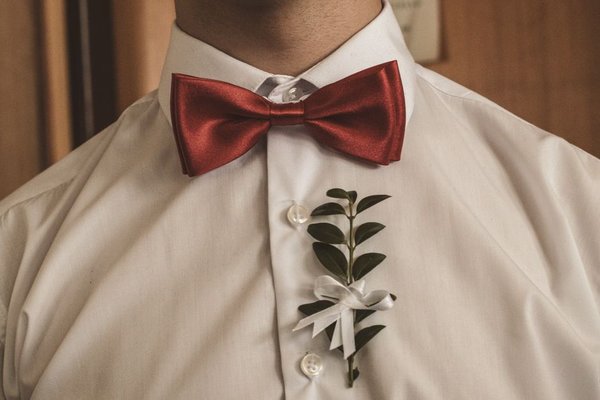
Choose color after seeing the outfit in natural light. Burgundy, forest green and muted blue can complement neutral suits without matching the wedding flowers exactly. For strict black tie, keep the bow tie black rather than changing the formal dress code to fit the color palette.
Should the Groom Match the Groomsmen?
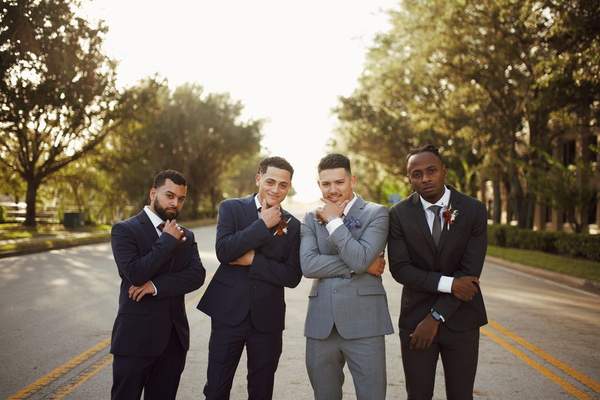
Matching every tie is not the only way to create a coordinated wedding party. A groom might wear a patterned necktie while the groomsmen wear solids in the same color family. Or he might choose a bow tie while the others wear neckties, provided their suits and formality still look connected.
One practical approach is to keep the tailoring consistent and vary just one detail. For example, five people in navy suits could wear deep-blue neckties, while the groom wears a complementary burgundy bow tie. Check a group photograph during the fitting: the distinction should look deliberate, not accidental.
Consider pocket squares and boutonnieres alongside neckwear. Too many competing accents make details harder to appreciate. A matching groom and groomsmen accessories guide can help establish a simple shared palette.
Try Both Before Making the Final Call
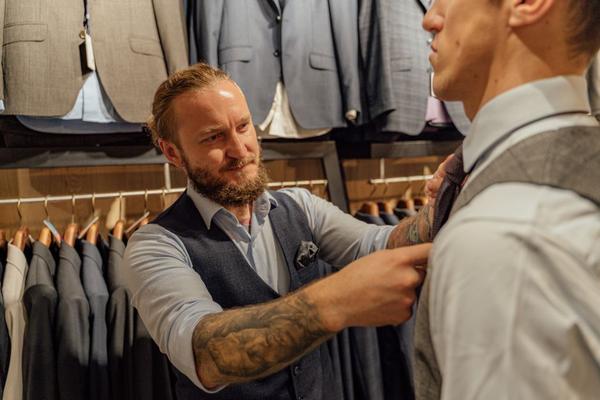
Bring your actual wedding shirt and jacket to the fitting. Take one photograph wearing a necktie and another wearing a bow tie, both with the jacket buttoned. Repeat with the jacket open and, if relevant, the waistcoat visible. The comparison often reveals more than product photos can.
Check whether the knot sits cleanly against the collar, whether the tie stays centered when you move, and whether you can comfortably sit, hug guests and dance. If choosing a self-tie bow tie, practice in advance. A well-adjusted pre-tied bow tie can be preferable to a hurried knot on the day.
Frequently Asked Questions
Can a groom wear a bow tie with a regular suit?
Yes. A bow tie can suit a two-piece or three-piece outfit, especially at an elegant or vintage-inspired wedding. Match its size and fabric to the suit, and remember that a bow tie does not turn an ordinary suit into a tuxedo.
Is a necktie acceptable with a tuxedo?
Some contemporary grooms wear a dark necktie with a tuxedo, but the classic black-tie dress code specifies a black bow tie. If you want a traditional black-tie look, choose the bow tie.
Does the groom need a different tie from the groomsmen?
No. Identical accessories can look coordinated. If you want a subtle distinction, vary the shade, texture or tie shape while keeping the overall formality consistent.
Which is better for wedding photographs?
Neither wins universally. A necktie creates a longer line on the torso; a bow tie draws attention toward the face and collar. Photograph both with your complete outfit to see which creates the balance you prefer.
The Best Choice Is the One That Fits the Whole Wedding
For a classic black-tie celebration, the bow tie is the clear traditional choice. For most suit-based weddings, a necktie offers easy versatility, while a bow tie adds character when the styling supports it. Decide in that order: dress code, jacket, venue, proportions and comfort. Your finished look should feel like one thoughtful outfit.