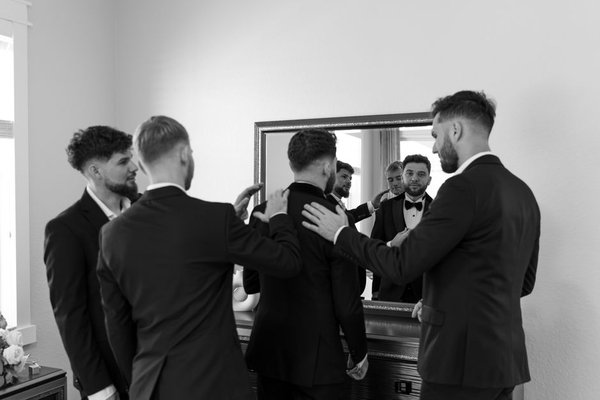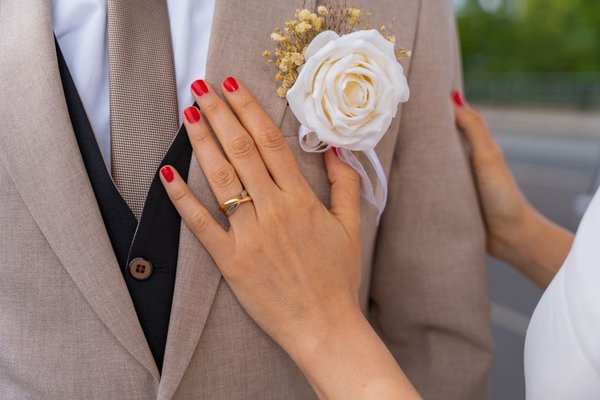
A summer wedding suit has to do more than look sharp in photographs. It needs to stay comfortable through the ceremony, drinks, dinner and dancing when temperatures rise. For grooms in the UK, that also means planning for changeable weather: warm afternoon sun can turn into a cooler evening quickly. The best approach is to choose fabric, construction, colour and fit as one system rather than treating each decision separately.
Choose the fabric before the colour
Fabric weight and weave have the biggest influence on comfort. Lightweight wool is one of the most versatile choices because it can breathe well, drape cleanly and recover from creasing better than many plant-based fabrics. A tropical-wool or other open-weave lightweight wedding suit works especially well for a church, hotel or country-house wedding where the groom wants a polished look without the weight of traditional winter tailoring.
Linen is the classic warm-weather option. It feels airy and relaxed, which suits garden, coastal and destination-style weddings. The trade-off is creasing. A linen wedding suit groom outfit will develop wrinkles as the day goes on, and that is part of linen’s character. If you want the look with a slightly neater finish, consider a linen-wool or linen-cotton blend.
Cotton can also work for less formal ceremonies, but do not assume any cotton suit will automatically feel cool. Dense cloth can trap warmth. Weight, weave, lining and jacket construction all matter, whatever fibre appears on the label.
Look at lining and jacket construction
A breathable outer cloth can still feel stuffy if the jacket is heavily structured and fully lined. For a warm weather suit, consider half-lined or quarter-lined construction when the style allows it. Less lining can improve airflow and reduce bulk across the torso.
Soft or lightly structured shoulders can also make a summer suit easier to wear. A formal hotel wedding may still call for a crisp, tailored silhouette, while a garden or barn venue gives more freedom to choose softer construction. Ask how the jacket is lined and structured rather than judging comfort only by how light it feels on the hanger.
Pick a colour that suits the venue
Navy remains one of the safest summer wedding suits for grooms because it works across formal and semi-formal settings and pairs easily with white, pale blue and pastel accessories. Mid-blue feels brighter and more seasonal, while light grey is clean and understated for daytime celebrations.
For outdoor or rustic weddings, beige, stone, sand and soft taupe can look especially natural. Olive and muted green can also suit countryside venues. Very pale suits may lose definition against bright backgrounds, while black or deep charcoal can feel visually heavy at a relaxed July garden wedding. Compare the suit with the venue, flowers and wedding-party colours before making the final choice.
Fit for movement, not just a slim silhouette
Hot weather makes an overly tight suit uncomfortable very quickly. A summer groom outfit should skim the body without pulling across the shoulders, chest or thighs. You should be able to sit, walk and raise your arms without the jacket riding up or the trousers gripping behind the knees.
Use a simple fitting test: wear the full outfit for ten minutes, including the shirt and shoes. Sit down, stand up several times and button the jacket. If the shirt strains across your back or the trousers feel restrictive while seated, the fit is too tight for a long wedding day. A slight or no trouser break can look clean in summer, but proportions should still suit the cut of the suit.
Keep the rest of the outfit breathable
A breathable shirt can make almost as much difference as the suit. Cotton poplin gives a crisp finish, while lighter cotton weaves can feel softer. Pure linen shirts suit very relaxed weddings but crease readily and may look too casual with a structured jacket.
Keep accessories purposeful. A silk tie works for formal weddings, while textured silk-linen or knitted ties complement softer tailoring. Loafers, derbies or lightweight lace-ups can all work depending on the dress code. If the ceremony is on grass, choose soles with enough grip rather than very thin, slippery leather.
A waistcoat can make the groom feel more distinctive, but it adds another layer over the torso. If high temperatures are likely, decide whether the visual effect is worth the extra warmth. A well-cut two-piece suit with a distinctive tie, pocket square or boutonniere can still feel special.
Related topics worth exploring include choosing wedding suit colours, how a groom’s suit should fit, and coordinating groomsmen outfits. These are natural next steps when planning the wider look of the wedding party.
A practical summer wedding scenario
Imagine a July wedding in the Cotswolds with a 1pm outdoor ceremony, garden photographs and an evening reception inside a converted barn. A light-to-mid blue tropical-wool suit with a half-lined jacket, white cotton shirt and brown leather shoes would be a practical choice. The wool keeps a polished shape for the ceremony and photographs, while the lighter construction helps during the warmer afternoon.
For the same wedding, a heavy fully lined navy suit might look formal but feel uncomfortable outdoors. At the other extreme, a loose cream linen suit could be perfect for a beach-style event yet feel underdressed in a traditional venue. Context matters as much as the fabric name.
FAQ
What is the best fabric for a summer wedding suit?
Lightweight wool is the most versatile option for many weddings because it balances breathability, drape and crease resistance. Linen is more relaxed, while linen blends offer a useful middle ground.
Is linen too casual for a groom?
No. Linen works very well for outdoor, coastal and relaxed country weddings. For more formal settings, a linen-wool blend or lightweight wool usually gives a sharper finish.
Should a summer wedding suit be light coloured?
Not necessarily. Navy works year-round and remains appropriate for formal weddings. Light grey, beige, stone and softer blues simply create a more seasonal daytime look.
Can the groom wear a waistcoat in hot weather?
Yes, but it adds warmth. If you want a three-piece look, choose lightweight fabrics and a comfortable fit. For very warm outdoor ceremonies, a two-piece suit may be the better option.
Bring comfort and formality into balance
The best summer wedding suit is not automatically the lightest one available. Comfort comes from breathable cloth, sensible lining, unrestricted fit and styling that matches the venue. Start with the level of formality, choose the fabric and construction next, then settle on colour and accessories. That order gives you a suit that looks intentional in photographs, stays comfortable for more of the day and still feels right for the occasion.