Food has a quiet way of becoming one of the most remembered parts of a wedding. Long after the flowers have faded and the music has stopped, guests often remember the warm bread served before dinner, the late-night snack that arrived just when everyone needed it, or the dessert table that felt personal rather than predictable. That is why choosing the right wedding catering menu ideas is not only about feeding a room full of people. It is about creating comfort, atmosphere, and a shared experience around the table.
A good wedding menu does not have to be overly complicated. In fact, some of the most beautiful menus are built around familiar food served thoughtfully. The goal is to find a balance between elegance and ease, tradition and personality, guest expectations and the couple’s own taste.
Start with the Style of the Celebration
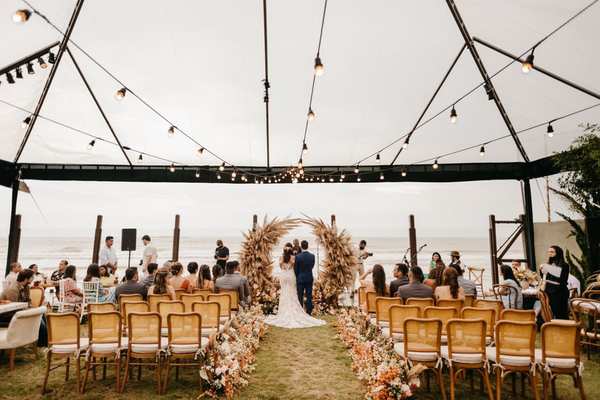
Before thinking about individual dishes, it helps to picture the overall mood of the wedding. A formal evening reception in a ballroom naturally calls for a different menu than a garden ceremony followed by a relaxed outdoor dinner. The food should feel connected to the setting, not separate from it.
For a classic indoor wedding, plated meals with refined starters, mains, and desserts can create a polished rhythm. For a rustic barn wedding, family-style platters of roasted meats, seasonal vegetables, fresh salads, and warm rolls may feel more natural. Beach weddings often pair beautifully with lighter menus, fresh seafood, citrus flavors, grilled vegetables, and chilled desserts.
The best wedding catering menu ideas usually begin with this simple question: What kind of experience should guests feel when they sit down to eat? Once that feeling is clear, the food choices become much easier.
Welcome Guests with Thoughtful Appetizers
Cocktail hour is the first real taste of the celebration, so appetizers deserve more attention than they sometimes receive. They should be easy to eat, flavorful, and varied enough to suit different preferences.
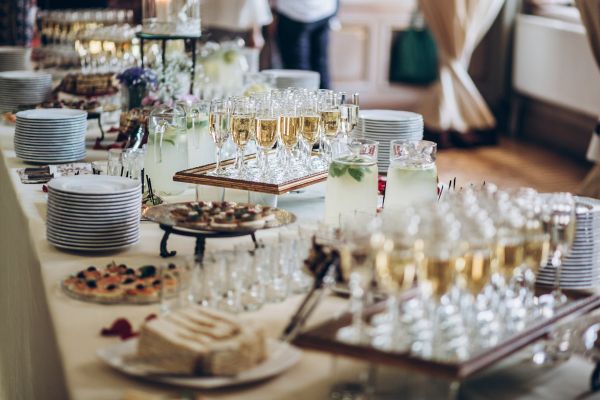
Small bites such as mini tartlets, bruschetta, stuffed mushrooms, shrimp skewers, sliders, or delicate pastry cups can work well because guests can enjoy them while standing and chatting. A mix of warm and cold appetizers also adds interest. Something crisp and fresh, like cucumber rounds with herbed cream cheese, can sit nicely beside something richer, such as mini chicken bites or cheese-filled pastries.
For a more relaxed wedding, grazing boards are a lovely option. Cheese, fruit, olives, crackers, nuts, dips, and artisan breads create a generous, inviting look. They also encourage people to gather naturally, which is exactly what a good cocktail hour should do.
Choose Main Courses with Variety and Comfort
The main meal is where many couples feel the most pressure, but it does not need to be overwhelming. A strong wedding menu usually offers enough variety without trying to please every possible taste individually.
Chicken remains a popular wedding choice because it is familiar, versatile, and easy to pair with different sauces and sides. Herb-roasted chicken, lemon butter chicken, or chicken with a light cream sauce can feel elegant without being too heavy. Beef dishes, such as braised short ribs or filet-style cuts, bring richness and a more formal feeling. Fish can be a beautiful option too, especially for spring and summer weddings, with salmon, sea bass, or cod served alongside fresh herbs and vegetables.
Vegetarian mains should feel just as complete as the meat options. Too often, vegetarian guests are given something that seems like an afterthought. A well-made mushroom risotto, roasted vegetable tart, stuffed bell pepper, eggplant parmesan, or pasta with seasonal vegetables can feel satisfying and thoughtful.
The key is to avoid a menu that feels either too plain or too crowded. Two or three main choices are often enough when they are well selected.
Bring Personality Through Cultural and Family Favorites
Some of the most meaningful wedding catering menu ideas come from family traditions. Food connected to culture, childhood, or shared memories can make a wedding feel deeply personal.
A couple might include a dish inspired by their heritage, such as biryani, pasta, tacos, dumplings, curry, barbecue, or Mediterranean-style grilled foods. These dishes do not have to take over the entire menu. Sometimes one meaningful item is enough to add warmth and identity.
Family recipes can also be adapted in an elegant way. A grandmother’s dessert, a favorite soup, or a regional comfort dish can become part of the menu without feeling casual or out of place. Guests often appreciate food with a story behind it, even when the story is simple.
Think Seasonally for Fresher Flavor
Seasonal food tends to taste better and feel more natural. A spring wedding might include asparagus, peas, tender greens, berries, lemon, and light sauces. Summer menus can lean into tomatoes, corn, stone fruit, fresh herbs, grilled foods, and chilled salads. Autumn weddings are perfect for roasted squash, apples, mushrooms, root vegetables, warm spices, and heartier mains. Winter receptions can feel cozy with soups, braised meats, creamy potatoes, warm bread, and rich desserts.
Seasonal ingredients also help the menu feel connected to the time of year. A heavy cream-based meal may feel too much in July, while a cold salad-focused dinner may not feel comforting enough in December. When the menu follows the season, the whole event feels more naturally planned.
Make Sides More Than an Afterthought
Sides can quietly elevate the entire meal. They add color, texture, and comfort, and they often help bring balance to richer main dishes.
Mashed potatoes, roasted baby potatoes, rice pilaf, seasonal vegetables, fresh salads, pasta sides, and warm bread are all reliable choices. But even familiar sides can feel special with a small twist. Mashed potatoes with roasted garlic, carrots with honey and herbs, green beans with almonds, or a simple salad with fruit and soft cheese can make the plate feel more considered.
It is also worth thinking about how the sides work together. A rich beef dish may need something bright and fresh beside it. A delicate fish may pair better with light vegetables and rice than with heavy cream-based sides. The best menus feel balanced without guests having to think about why.
Add Interactive Food Stations
Food stations can bring energy and movement to a reception. They work especially well for weddings that are social, lively, or less formal. A pasta station, taco station, carving station, salad bar, or build-your-own bowl setup gives guests a sense of choice.
Interactive stations also help avoid the feeling of a rigid meal. Guests can choose what they like, adjust portions, and enjoy a bit of variety. For late-afternoon or evening weddings, stations can be paired with a smaller plated meal or used as the main dining format.
The important thing is to keep stations organized and easy to navigate. Too many options can create long lines or confusion. A few well-designed stations are better than a large spread that feels scattered.
Do Not Forget Dietary Needs
Modern wedding menus should make space for different dietary needs without making anyone feel singled out. Vegetarian, vegan, gluten-free, dairy-free, and allergy-conscious options are now part of thoughtful hosting.
This does not mean creating a separate menu for every guest. It simply means planning flexible dishes and clearly understanding what the caterer can provide. A colorful vegetable dish, grain bowl, fresh salad, or plant-based main can serve several needs at once when prepared carefully.
Guests may not remember every detail of the meal, but they will remember whether they felt included. Food is hospitality, and hospitality is one of the quiet foundations of a good wedding.
Create a Dessert Experience Beyond Cake
Wedding cake is classic, but it does not have to stand alone. Dessert tables have become popular because they allow more variety and a little more personality.
Mini cheesecakes, fruit tarts, macarons, brownies, cupcakes, cookies, pudding cups, doughnuts, or traditional sweets can all add charm. Some couples choose a smaller wedding cake for the ceremonial cutting and then offer a dessert spread for guests.
A coffee and dessert pairing can also be lovely, especially at evening receptions. After dinner, when the music softens for a moment and people begin to relax, a warm drink and something sweet can feel just right.
Consider a Late-Night Snack
After hours of dancing, guests often appreciate a small late-night bite. It does not need to be fancy. In fact, casual food often works best at this point in the evening.
Mini pizzas, fries, sliders, grilled cheese bites, tacos, soft pretzels, or warm pastries can bring a playful shift in mood. Late-night snacks are especially useful when dinner is served early or when the reception continues for several hours.
This part of the menu can be lighthearted and memorable. It gives guests a second little surprise, and somehow food tastes even better after dancing.
Conclusion
Choosing wedding catering menu ideas is really about shaping the feeling of the day. The food should satisfy guests, of course, but it should also reflect the season, the setting, and the couple’s personality. A thoughtful menu does not need to be extravagant. It needs to feel balanced, generous, and true to the celebration.
From welcoming appetizers to meaningful mains, seasonal sides, inclusive options, and sweet finishing touches, every choice adds something to the guest experience. When the menu feels natural and carefully considered, it becomes more than a meal. It becomes part of the memory of the wedding itself.