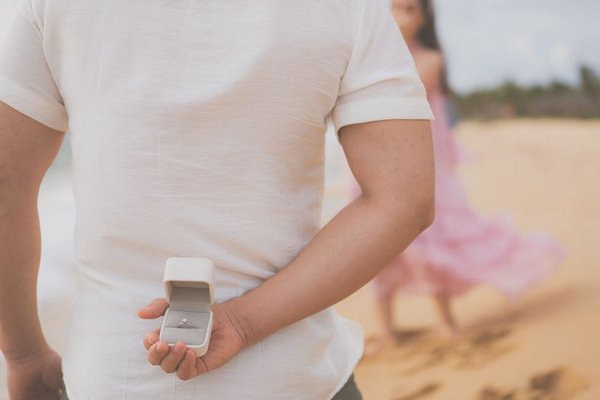
The best proposal photos rarely look perfect in the staged sense. They look real: one person is surprised, the other is nervous, and the camera catches the second everything changes. The trick is planning the photography carefully enough that the moment can still feel spontaneous.
If you want to secretly film a proposal, think about the camera before poses. You need a clear view, reliable framing, decent sound if video matters, and a backup plan if your partner stands somewhere unexpected. A hidden proposal photographer can solve this, but a friend, tripod or discreet phone setup can also work when the location is controlled.
Choose the Camera Strategy First
There are three practical ways to capture a proposal without making it feel staged: hire someone to photograph from a distance, ask a trusted friend to blend into the background, or set up a camera in advance.
Hire a hidden photographer
This is the most dependable option. A professional can scout angles, adapt to changing light and keep shooting after the proposal so you get both the surprise and a few polished portraits.
Give the photographer a recent photo of both of you, describe what you will be wearing and agree on the exact proposal spot. A landmark such as “beside the third bench facing the lake” is much safer than “somewhere near the water.”
Use a friend who can disappear into the scene
A friend works well in busy parks, city squares, beaches and family gatherings where another person holding a phone will not attract attention. If your friend stands too close or keeps staring at you, the surprise can disappear before the ring appears.
Ask them to arrive early, avoid messaging you at the location and behave like any other visitor. If they are filming, they should start recording before you enter the frame.
Set up a tripod or fixed camera
A tripod can work beautifully at home, in a private garden or at a quiet scenic spot. Frame wider than you think you need. A wide shot can be cropped later; a close shot that cuts off your faces cannot be rescued.
If the tripod would look suspicious, create a natural reason for it to be there. You might say you want a timed photo together, then use video instead. This works best when taking photos together is already normal for you.
Scout the Exact Spot Before Proposal Day
Good candid proposal photos depend heavily on where each person stands. Visit the location at roughly the same time of day if possible. Check the light, background and whether pedestrians are likely to walk between the camera and the proposal.
Mark a natural stopping point: a paving pattern, bench, tree, railing or view. Your job is to guide your partner there without visibly checking the camera. The photographer or friend should know where you are expected to face.
For example, at a viewpoint, do not simply plan to “stop at the top.” Choose one exact railing section and decide which shoulder should face the photographer. That small detail can determine whether the camera sees both faces or only the back of one person’s head.
Prioritise Faces Over the Ring
Many proposal photography ideas focus on the ring box, but the emotional photograph is usually the reaction. Position the camera so it can see your partner’s face when you start speaking and when you kneel.
A three-quarter angle can capture expressions, body language and the ring without requiring either of you to perform for the camera.
Use Simple Proposal Videography Tips
Video adds another challenge because movement and sound matter. Start recording early and let the clip run rather than relying on someone to press record at exactly the right second.
For a phone, use the rear camera when possible. Clean the lens, make sure there is enough storage and charge the battery fully. Locking focus and exposure can also help prevent sudden changes as people move through the frame.
Audio is harder from a distance. If hearing every word matters, a camera placed closer may work better than a hidden photographer far away. Otherwise, accept that the strongest clip may be visual: the approach, the kneel, the reaction and the hug afterward.
Plan for Light, Weather and Crowds
Soft daylight is usually easier than harsh midday sun. Early morning and the period before sunset often give flattering light, but the best timing depends on the location.
Check the weather and prepare a realistic alternative. For crowded places, arriving before peak time can make candid proposal photos easier without turning the setting into an empty stage.
If you are using a professional venue, hotel, rooftop, garden or attraction, confirm its photography rules beforehand. Some locations restrict tripods, commercial photography or access to particular areas.
Create a Backup Plan That Still Feels Natural
Your partner may stop several metres away, the planned bench may be occupied, or wind may make the original spot unusable. Agree on one backup location and one discreet signal with the person filming.
Use an ordinary signal, such as adjusting your jacket. Avoid complicated codes you might forget when nervous.
Do Not Reveal the Camera Too Quickly
After the “yes,” give the moment a little space. Let the hug, laughter and first conversation happen before pointing toward the photographer. Those seconds often produce the most natural images.
Once the surprise settles, you can take a few intentional portraits. That combination works well: genuine reaction first, polished photographs second.
Related reading could cover choosing the best proposal location, what to say during a proposal and planning a proposal without giving away the surprise.
Frequently Asked Questions
Where should a hidden proposal photographer stand?
They should be far enough away to avoid suspicion but close enough to capture expressions clearly. The right distance depends on the lens, crowd and location, so agreeing on the precise proposal spot matters more than choosing one universal distance.
Is a phone good enough to film a proposal?
Yes, in good light. Use a stable support, clean the lens, leave enough storage space and frame slightly wider than necessary. Reliability matters more than having the most expensive camera.
Should I photograph or film the proposal?
If you must choose one, decide which memory matters more to you. Photos are easier to frame and share, while video preserves movement and voice. When possible, use one device for a wider video while another camera captures stills.
How do I keep the setup from looking staged?
Keep the plan invisible to your partner, not complicated for yourself. Use a place you would naturally visit, avoid repeatedly checking the camera position and let the first reaction unfold without posing.
Plan the Camera So You Can Forget About It
The best way to secretly film or photograph a proposal is to do the technical thinking in advance. Choose the exact spot, test the angle, brief the photographer or friend, prepare for weather and decide what happens if the original plan changes.
Once those details are handled, stop directing the moment and focus on the person in front of you. The images will matter, but what makes them worth keeping is that they captured something genuine rather than interrupting it.