Wedding cakes have always carried a certain kind of symbolism. Long after the flowers fade and the music quiets down, people still remember the moment the cake was cut and, perhaps more importantly, how it tasted. In recent years, couples have become far more thoughtful about flavor choices, moving beyond tradition and focusing on cakes that feel personal, memorable, and genuinely enjoyable to eat.
For a long time, many wedding cakes looked beautiful but tasted forgettable. Dense fondant, dry sponge, and overly sweet fillings became almost expected at large receptions. But that trend has shifted. Today, couples want flavor combinations that guests actually talk about afterward. Texture, balance, freshness, and seasonal ingredients matter more than ever.
The conversation around the best wedding cake flavors has become less about following strict tradition and more about creating an experience. Some couples still lean toward timeless classics, while others experiment with combinations inspired by coffee drinks, childhood desserts, fresh fruit, or cultural traditions.
In 2026, wedding cake flavors are reflecting a broader shift in weddings themselves: more personality, less pressure to conform.
Why Flavor Matters More Than Ever
Wedding cakes are no longer treated as purely decorative centerpieces. Guests expect them to taste as good as they look, and couples increasingly prioritize flavor during planning decisions.
Part of this comes from changing food culture in general. People are more familiar with artisanal desserts, bakery-quality pastries, and carefully layered flavors than they were a decade ago. Expectations have evolved.
Social media has also played a role, though perhaps not in the way people assume. While visually dramatic cakes still attract attention online, couples often hear the same feedback repeatedly from friends and family: “Make sure it actually tastes good.”
That advice has stuck.
Modern wedding cakes are often softer, lighter, and more balanced than the heavily frosted cakes popular years ago. Bakers are experimenting with textures and fillings that feel elegant without becoming overwhelming.
The best wedding cake flavors today tend to combine familiarity with a subtle twist—something comforting, but memorable enough to stand out.
Vanilla Bean Still Holds Its Place
Despite endless flavor experimentation, vanilla remains one of the most requested wedding cake options in 2026. But modern vanilla cakes are far removed from the plain versions many people imagine.
Real vanilla bean creates warmth and depth that feels surprisingly luxurious when done properly. Paired with whipped buttercream, berry filling, or light mascarpone frosting, vanilla becomes versatile rather than boring.
Part of its appeal comes from balance. Weddings involve rich foods, cocktails, appetizers, and long evenings. Guests often appreciate a cake flavor that feels elegant without becoming too heavy.
Vanilla also layers beautifully with seasonal additions. Fresh strawberries in spring, lemon curd in summer, cinnamon accents in autumn, or white chocolate in winter all complement the base flavor naturally.
For many couples, vanilla offers something comforting and timeless without feeling outdated.
Chocolate Cakes Are Becoming More Sophisticated
Chocolate wedding cakes never truly disappeared, but they have become more refined in recent years.
Instead of extremely sweet chocolate sponge covered in thick frosting, many modern cakes lean toward darker cocoa flavors, mousse fillings, espresso accents, or bittersweet ganache layers. The result feels richer without becoming sugary or dense.
Chocolate and hazelnut combinations remain especially popular because they add texture and warmth while avoiding excessive sweetness. Some couples also pair chocolate sponge with raspberry filling, salted caramel, or coffee buttercream to create more complexity.
Interestingly, smaller weddings have contributed to the rise of richer chocolate cakes. Intimate receptions often allow couples to choose bolder dessert flavors without worrying about appealing to hundreds of guests at once.
A well-made chocolate wedding cake feels indulgent in a quiet, satisfying way. It doesn’t need dramatic decoration to leave an impression.
Lemon Cakes Continue to Dominate Spring and Summer Weddings
Among the best wedding cake flavors for warm-weather weddings, lemon remains one of the strongest favorites.
There’s something refreshing about citrus during outdoor celebrations, especially when paired with floral or fruit elements. Lemon cakes feel bright and light even after a large meal.
Many couples combine lemon sponge with raspberry filling, blueberry compote, or elderflower frosting. The contrast between tartness and sweetness creates a cleaner finish than heavier dessert combinations.
Texture matters too. Lemon cakes often feel softer and more delicate than denser chocolate or spice cakes, making them especially appealing during daytime receptions.
Some bakers are also introducing subtle herbal notes like thyme or basil into citrus cakes, though usually in very restrained ways. The goal is not to make the cake taste savory, but to add freshness and depth.
Lemon’s popularity shows how wedding desserts are becoming more focused on balance rather than intensity alone.
Red Velvet Remains a Sentimental Favorite
Red velvet has survived changing dessert trends remarkably well. Part nostalgia, part visual appeal, it continues to appear at weddings across a wide range of styles.
The flavor itself sits somewhere between vanilla and cocoa, offering richness without full chocolate heaviness. Cream cheese frosting remains the traditional pairing, though some modern versions use whipped mascarpone for a lighter finish.
Red velvet cakes often appear at romantic or vintage-inspired weddings because the deep red layers photograph beautifully without feeling overly dramatic.
For many couples, the appeal is emotional rather than trendy. Red velvet tends to remind people of family celebrations, Southern baking traditions, or favorite childhood desserts.
That sense of familiarity matters more in weddings than people sometimes realize.
Fruit-Forward Cakes Are Growing in Popularity
Fresh fruit flavors have become increasingly popular as couples move away from overly sweet desserts.
Strawberry shortcake-inspired layers, peach fillings, passionfruit mousse, and mixed berry cakes all reflect a desire for freshness and texture. These cakes often feel lighter and more seasonal, particularly for outdoor receptions.
In 2026, many couples are requesting cakes that feel closer to upscale bakery desserts than traditional banquet cakes. Fruit-based flavors help create that effect naturally.
One noticeable trend is the use of less processed fillings. Instead of overly thick jams or artificial flavorings, bakers are leaning toward fresh fruit compotes and lightly sweetened creams.
The result tastes more natural and less heavy overall.
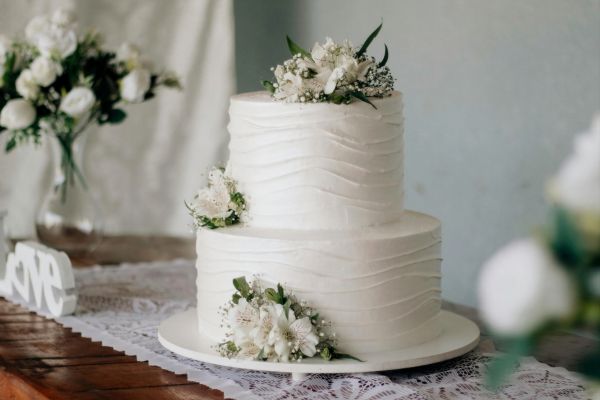
Fruit-forward cakes also pair well with semi-naked cake designs and softer buttercream finishes, both of which remain popular in modern wedding aesthetics.
Coffee and Caramel Combinations Feel More Modern
Coffee-inspired desserts have quietly become one of the strongest trends in wedding cakes.
Espresso cake layers, tiramisu-inspired fillings, mocha buttercream, and caramel-drizzled sponge combinations appeal particularly to couples looking for flavors that feel mature rather than overly sugary.
Coffee balances sweetness exceptionally well. Even subtle espresso notes can deepen chocolate or vanilla cakes without overpowering them.
Salted caramel continues to appear frequently too, though modern versions tend to use restraint. Instead of overwhelming sweetness, caramel is often used to add warmth and richness in smaller amounts.
These flavors work especially well at evening weddings, autumn receptions, or candlelit indoor venues where guests often gravitate toward richer desserts and coffee service afterward.
Cultural and Personal Flavors Are Shaping Cake Choices
One of the most interesting shifts in wedding desserts is the growing emphasis on personal meaning.
Couples are increasingly incorporating flavors tied to their backgrounds, travels, or shared memories. Pistachio and rose cakes, chai-spiced sponge, coconut fillings, almond cakes, or tropical fruit layers are becoming more common not because they are trendy, but because they feel emotionally connected to the couple themselves.
Some couples choose cakes inspired by desserts they had on vacations together. Others recreate flavors from family celebrations or cultural traditions.
This movement away from standardized wedding menus has made receptions feel more individual overall.
In many ways, the best wedding cake flavors are no longer determined solely by popularity. They’re shaped by story, memory, and atmosphere.
Texture Is Becoming Just as Important as Flavor
Flavor gets most of the attention, but texture plays a huge role in how guests experience wedding cake.
Dry cakes immediately disappoint people, no matter how beautiful they look. Moist sponge, airy fillings, and balanced frosting create a far more memorable experience.
Modern wedding cakes often feature lighter buttercreams, whipped fillings, mousse layers, or fruit components that break up density and add contrast.
Crunchy elements are appearing more frequently as well. Hazelnut praline, crushed cookies, or caramelized nuts add texture without overwhelming the cake itself.
These small details make cakes feel more thoughtful and less one-dimensional.
The trend overall seems to favor desserts that taste handcrafted rather than mass-produced.
Choosing Flavors That Match the Wedding Atmosphere
Interestingly, many couples now select cake flavors based partly on the mood of the wedding itself.
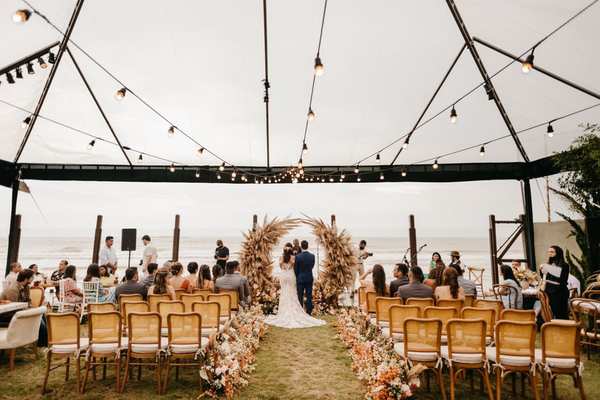
Light citrus and berry cakes suit garden weddings and daytime celebrations. Rich chocolate or espresso flavors feel more natural at evening receptions. Spice cakes often appear during autumn weddings, while tropical flavors fit beach or destination settings.
This connection between flavor and atmosphere helps the dessert feel integrated into the event rather than separate from it.
Guests may not consciously analyze these choices, but they often remember when the cake felt perfectly suited to the occasion.
That emotional connection matters more than following whatever happens to be trending online at the moment.
Conclusion
The best wedding cake flavors in 2026 reflect a broader shift toward authenticity, balance, and personal expression. Couples are moving beyond purely decorative cakes and focusing instead on desserts that feel memorable, comforting, and genuinely enjoyable to share with guests.
Classic flavors like vanilla, chocolate, lemon, and red velvet remain popular because they continue to resonate emotionally, but modern interpretations have made them feel fresher and more refined. At the same time, fruit-forward cakes, coffee-inspired combinations, and culturally meaningful flavors are helping weddings feel more individual and personal.
Perhaps the most noticeable change is that wedding cakes are no longer expected to impress only visually. Taste, texture, and atmosphere now matter just as much as appearance.
In the end, the most successful wedding cakes are rarely the most extravagant ones. They are the cakes people genuinely enjoy eating—the ones that quietly become part of the memory of the day itself.