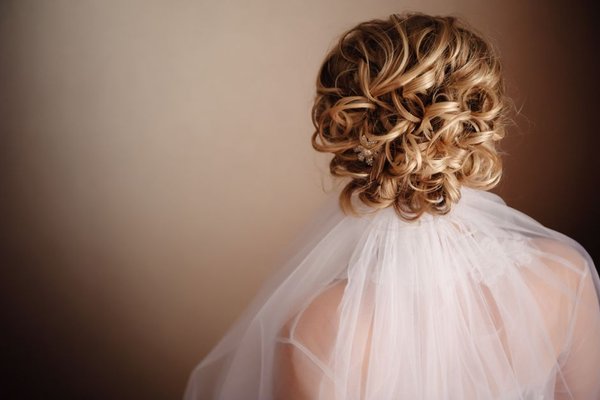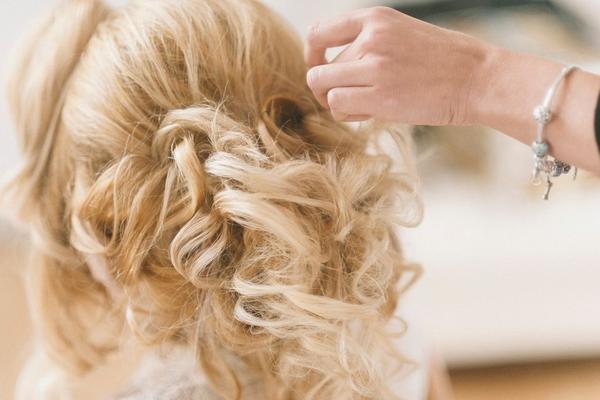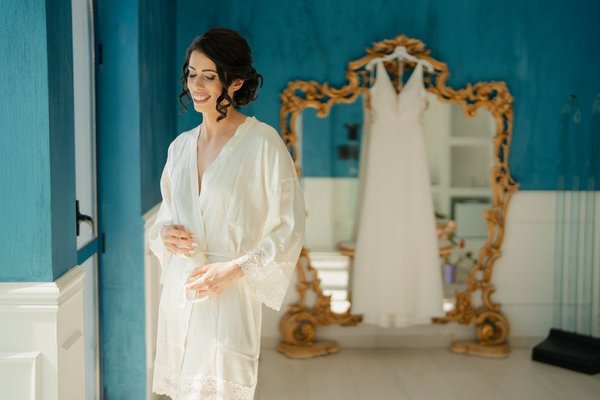
Wedding morning beauty prep feels much easier when every appointment has its place. Hair, makeup, breakfast, getting dressed and photographs all compete for the same few hours, yet they don’t have to feel like a race. The trick is to plan around the moment you need to be fully ready, not simply the ceremony start time. A calm bridal morning routine gives you room to enjoy the people around you and still arrive where you need to be.
Start With Your Ready-by Time, Then Work Backwards
First, ask your photographer or planner when you must be dressed and ready for portraits, a first look or departure. That is your real deadline. If photographs begin at 1:30 p.m., for example, aim to be dressed before 1:30 rather than finishing your lipstick as the camera arrives.
Build the wedding prep timeline backwards from that point. Reserve time for putting on the dress, fastening jewellery, adjusting a veil and taking a few quiet photographs. Allow for travel between locations, lifts that run slowly, or a dress that needs more hands than expected. The ceremony time alone rarely tells you when beauty appointments must finish.
Confirm the finished-by time with both your hair stylist and makeup artist. Their estimates should reflect your chosen looks, the number of people receiving services, and whether they will work simultaneously or share a workspace.
Make Breakfast and Skin Preparation Part of the Schedule
Have a familiar breakfast and water before the busiest appointments begin. Choose something satisfying that you know sits comfortably with you; getting ready on an empty stomach can make a long morning less pleasant. Keep easy snacks available for anyone whose appointment falls near lunchtime.
For skincare, follow the routine agreed with your makeup artist. Clean, comfortable skin generally makes a better starting point than last-minute experiments. Avoid trying a new peel, strong active treatment or unfamiliar product on the wedding morning, when irritation would be especially inconvenient.
Wear a button-front shirt or a loose robe that can come off without passing over finished hair and makeup. Keep your dressing area reasonably clear and put jewellery, shoes and accessories together the night before. For a longer lead-in, a bridal skincare timeline can help you schedule trials and routine changes well ahead of the date.
Coordinate Hair and Makeup Instead of Booking Separate Timelines
Ask each professional for realistic service times
A bride beauty schedule works only when the estimates come from the people doing the work. Ask how long bridal hair, bridal makeup, attendant services and final touch-ups are expected to take. Complex styles, extensions, multiple artists and travel can change the order considerably, so avoid treating an online sample schedule as a guarantee.
Share one combined timetable with your beauty team, wedding party and the person helping you stay on track. Label who is in each chair and when. If two professionals can work on different people at the same time, the morning may be shorter; if everyone needs the same stylist, stagger arrivals accordingly.
Choose an order that suits the styling team
There is no universal rule that hair must always come before makeup. Some artists prefer hair preparation first, while others plan around setting products, curls or the bride’s preferred finish. Ask your team to agree on the sequence, especially if heated tools, spray products or a veil fitting might affect the completed makeup.
A Sample Wedding Getting-Ready Morning
Imagine portraits beginning at 1:30 p.m. in the same venue where you are preparing. One possible schedule is breakfast at 8:00, skincare and room preparation at 8:30, and the beauty team beginning at 9:00. Attendants rotate through appointments while the bride begins her allocated hair and makeup sessions at the times her artists specify.
In this example, the goal is to finish the bride’s main beauty services around 12:20, reserve 12:20–12:40 for touch-ups and a snack, dress from 12:40–1:05, then allow a final check before photographs. These are illustrative blocks, not standard service durations. Your suppliers may need more time, particularly for a larger party or detailed styling.
If the photographer wants robe photographs, detail shots or a first look earlier, move those activities into the plan rather than squeezing them between appointments. A useful wedding getting-ready photo checklist can help everyone know which moments matter most.
Protect the Dressing and Photography Window
The transition from beauty appointments to wedding clothes is often where a well-planned morning slips. A dress with many buttons, a corset back or delicate fastenings may take longer than everyday clothing. Give the person helping you dress a clear start time and make sure they are already ready themselves.
Build Buffer Time Where It Will Actually Help
A calm routine needs more than a vague instruction to be ready early. Place a modest buffer after the main beauty services and before departure or portraits. That protected window can absorb a late arrival, extra lashes, an unexpected zipper problem or a missing earring without shifting the entire day.
Give one trusted person responsibility for checking the clock, answering non-urgent messages and locating items. Ideally, that person is not the bride and is not booked for an appointment at the moment they are needed. Share a short contact list and the schedule with them beforehand.
Keep a small wedding day emergency kit nearby with essentials such as tissues, safety pins, blister plasters and a mini sewing kit. Ask the beauty team what touch-up products they recommend. Packing these items the previous evening is far easier than searching through bags in formalwear.
Frequently Asked Questions
How early should wedding morning beauty prep start?
Start time depends on the number of people, artists, services and your ready-by deadline. Ask your suppliers for individual durations, add dressing and photography time, then work backwards. A larger wedding party may need a much earlier start or more professionals.
Should the bride have hair or makeup done first?
Follow the sequence recommended by your hair and makeup professionals. Either order can work. What matters is that products, styling tools and touch-ups are coordinated and the finished look is ready well before dressing ends.
When should the bride eat breakfast?
Ideally, eat before appointments become busy, then have water and a simple snack available later. Choose familiar foods and leave enough time to eat comfortably instead of trying to fit a meal into the last few minutes.
How much extra time should be added to the wedding prep timeline?
Aim for a meaningful buffer rather than an exact universal number. Many schedules benefit from at least 15–30 minutes of protected flexibility, with more for travel, complicated dressing or large groups. Confirm the final allowance with your planner and vendors.
A Calmer Start to the Celebration
Wedding morning beauty prep is not about filling every available minute efficiently. It is about connecting the appointments, meals, dressing and photographs in an order that can survive small delays. Agree on the ready-by time, let the beauty team shape its working schedule and protect the final window. When everyone knows what happens next, you can spend less of the morning watching the clock and more of it enjoying the day.